Solar Costs in Uganda (2026) — Complete Guide
Real UGX prices for solar in Uganda 2026 — homes, SMEs, schools, clinics, farms — plus the four hidden costs cheap quotes leave out.
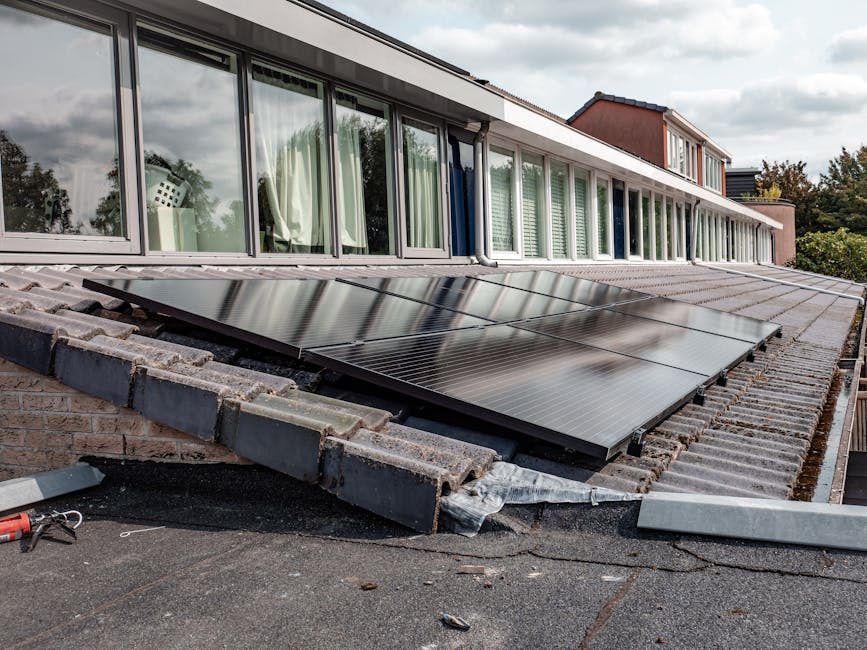
Quick answer: A working solar system in Uganda costs between UGX 4.5 million and UGX 65 million in 2026, depending on what you actually need to power. Most Ugandan homes land between UGX 6.5M and UGX 12M. Most SMEs and small clinics fall between UGX 12M and UGX 35M. Lithium-based hybrid systems pay back in 3–5 years when you include UMEME, diesel, and the cost of stock you lose every time the grid drops at 7pm.
Table of contents
- The truth about solar costs in Uganda
- What you're actually buying — the four parts of a solar system
- The price tiers — real Uganda numbers in UGX
- Cost by sector: home, SME, school, clinic, farm
- What's not in your quote — the four hidden costs
- The math: solar vs UMEME vs diesel over 5 years
- Battery costs — lithium vs lead-acid in Uganda's heat
- Inverter costs — what you're really paying for
- Beyond panels: street lights, CCTV, water heaters
- Financing options for Ugandan buyers
- A real Uganda story
- The seven questions every quote must answer
- FAQ
- Get the Uganda Solar Buyer's Checklist
1. The truth about solar costs in Uganda
Most people ask: how much does solar cost in Uganda?
The real question — the one that decides whether you regret this in three years — is: how much is the wrong system costing you right now?
We get the question every single week. It's the right question to ask first. It's just the wrong question to ask alone.
Here's what's actually happening in Uganda in May 2026. Diesel is sitting at UGX 4,700 a litre. The new utility tariff (since UEDCL took over distribution from UMEME in April 2025) is UGX 756.2 per unit above the lifeline tier. World Bank data shows that running a generator costs 313% more per kWh than grid electricity in sub-Saharan Africa. And only 25.3% of Ugandans have grid access at all — in rural areas it drops to 9.1%.
So the cost question is not whether to spend on solar. The cost question is whether you've already been spending — quietly, monthly, in UMEME tokens and diesel and lost stock — without anyone telling you the true number.
This guide lays out every solar cost in Uganda you'll meet in 2026. Real UGX. Real systems. Real installation pitfalls. By the end you'll know what a fair quote looks like, what a dishonest one hides, and what your specific situation should actually cost.
2. What you're actually buying — the four parts of a solar system
Before any UGX figure makes sense, get the parts straight. A solar system has four jobs. Skip one and you pay twice.
- Solar panels
- The roof part that catches sun and makes electricity during the day. You'll see them sized in watts (e.g. 450W). Uganda gets ~5.2 kWh per square metre per day of solar energy — more usable sun than Germany, which generates more rooftop solar than any country on earth. We have the resource. We just have to capture it properly.
- The inverter
- The translator between your panels, your batteries, and your appliances. Solar gives DC. Your fridge wants AC. The inverter is the box on the wall that does that translation, plus decides — every second of the day — whether to run your home from sun, batteries, or grid. The brain of the system.
- The battery
- The night reserve. Stores extra solar from the day so your lights stay on after dark and through grid outages. The single most expensive item in most quotes, and the single component most often sized wrong.
- The installation itself
- Mounting, wiring, earthing, cable runs, surge protection, and the engineer who tunes the system to your actual load. Skipped or rushed in cheap quotes. We'll get to that.
That's the system. Four parts. One promise: power that stays on when the grid drops at 7pm.
Now the prices.
3. The price tiers — real Uganda numbers in UGX
Here's what a properly engineered hybrid solar system actually costs in Uganda in May 2026, by tier. These are real ranges from what we and the rest of the legitimate Uganda solar market quote — not Alibaba dreams.
| Tier | System size | Typical price (UGX) | What it runs comfortably | Who it fits |
|---|---|---|---|---|
| Basic Home Kit | 1.5–3 kVA | 4.5M – 7M | Lights, phones, laptop, TV, small fan | Single-room or two-bedroom rental, low-load homes |
| Standard Family System | 3–5 kVA | 7M – 11M | Above + fridge, water pump, ironing | Most Kampala / Jinja / Mbarara family homes |
| Whole-home / Home office | 5–8 kVA | 11M – 18M | Above + AC, multiple fridges, full home office | Larger homes, home-based businesses, small clinics |
| SME / Small Commercial | 10–15 kVA | 22M – 35M | Shop with refrigeration, lighting, phone-charging counters, security cameras, back office | Hardware shop, pharmacy, supermarket, salon |
| Mid-commercial | 20–30 kVA | 40M – 65M | Multiple fridges, freezers, light industry, school admin block | School, clinic, restaurant chain, light manufacturing |
| Commercial & Industrial | 50 kVA + | 100M+ | Full commercial load with grid offset | Hospitals, large schools, agro-processing, hotels |
Three things to notice.
First, the bottom tier is real. A working 3 kVA system for UGX 4.5M is genuinely possible — if it's built honestly, with the right components, and sized for a small load. The trap is when sellers offer that price for a 5 kVA load. Then you're paying for a system that fails by year two.
Second, the gap between UGX 7M and UGX 11M for a 5 kVA system is not all profit. It's the gap between a system built for the showroom and one built for the rains. We'll show you what's in that gap in section 5.
Third, the C&I number (100M+) sounds large until you compare it to the UGX 30M per month some Ugandan firms reportedly spend on diesel during outage seasons. At that rate, a UGX 100M solar system pays itself off in under four months.
4. Cost by sector — home, SME, school, clinic, farm
A 5 kVA system costs the same UGX whether it powers a home or a clinic. The difference is what it has to do. Solar isn't about panels. It's about what runs at night.
Homes (most common)
Most Kampala, Mukono, Jinja, and Mbarara homes need 3–6 kVA — UGX 8M to 14M for a properly built hybrid. The biggest mistake: sizing for current appliances and forgetting the fridge you'll add next year, or the pump for the water tank. We size for behaviour, not snapshots.
SMEs (the highest-impact buyers in 2026)
A hardware shop, salon, or pharmacy in Mukono or Wakiso typically lands at 5–10 kVA — UGX 11M to 22M. The win is not just power — it's the diesel you no longer queue for, and the customers who stay because your tills work when the next street is dark.
See the deep-dive: Solar for SMEs — sizing for a supermarket, pharmacy, salon → (publishing soon)
Schools
A 30-classroom school in Tororo or Gulu running lights, computer labs, and an admin block needs 15–25 kVA — UGX 30M to 55M. The exam-season story you've heard is true. We've sat in three boardrooms where the headmaster's KPI for the year was "no power failures during national exams." Solar — properly sized — is how that goal becomes routine.
Clinics
Cold-chain matters more than total wattage. A 16-bed mission clinic in Mbarara or Soroti typically needs 5–12 kVA with a battery sized specifically for the vaccine fridge through the longest grid outage on record for that district — UGX 15M to 30M done right.
See the deep-dive: Solar for clinics — the cold-chain sizing checklist → (publishing soon)
Farms
A solar irrigation pump for a smallholder in Masaka or Mityana costs UGX 4M to 12M. A full farm system with cold storage, pumping, lighting, and a security camera grid is UGX 25M to 60M. World Bank smallholder programmes currently subsidise irrigation pumps up to 60%.
See the deep-dive: Solar irrigation pumps — farm sizing guide for Uganda → (publishing soon)
The number you should never accept: a quote that gives you the same UGX figure regardless of sector. That's a price list. Not a system.
5. What's not in your quote — the four hidden costs
Here is the part most pricing guides skip. So we'll be sharper than usual about it.
The cheapest quote in your inbox right now is probably missing UGX 1.8M to UGX 4.7M of work that an honest installation needs. Not because the seller is hiding it on purpose — sometimes they don't know to include it. Either way, the gap shows up in year two when something fails and the warranty is silent.
Hidden cost 1 — Earthing and bonding (UGX 250,000 – 500,000)
Lightning seasons in central Uganda are not a rumour. Without a copper earthing rod driven 1.8 metres into proper soil and bonded to your panel frame, a single nearby strike can blow your inverter. Inverter warranties do not cover lightning damage from inadequate earthing. We've seen UGX 4M inverters die for lack of UGX 350,000 of earthing.
Hidden cost 2 — Surge protection, AC and DC (UGX 350,000 – 700,000)
The new UEDCL grid runs the same hardware that used to make UMEME bulbs flicker. Voltage swings and brown-outs are still routine. Type II surge protection on both the AC side (between grid and inverter) and the DC side (between panels and charge controller) is what stops months of small surges from ageing your electronics into early failure.
Hidden cost 3 — Proper cable sizing and runs (UGX 400,000 – 1,200,000)
Undersized cable equals voltage drop equals panels that produce 80% of what you paid for. It also equals fire risk. The difference between 4mm² and 6mm² cable across a 12-panel array is real money — and real safety. Cheap quotes use the smaller cable to make the price land. You won't see the cost until your year-three energy report tells you something is wrong.
Hidden cost 4 — Commissioning labour (UGX 300,000 – 800,000)
This is the one we feel strongest about. Commissioning is not "switch it on and walk away." It is: load test, voltage measurement under load, battery configuration, inverter charge profile tuned to your actual battery chemistry, charge-discharge curves verified, customer briefing. Roughly half the systems we audit in Kampala were never commissioned. The hardware was real. The tuning was the lie.
We don't guess. We measure.
When a quote of UGX 6.5M for a 5 kVA system lands in your inbox and another comes in at UGX 9M, that UGX 2.5M gap is not the seller's profit margin. It is, in most cases, the four costs above. Decide which one you want to pay for: the gap on day one, or the consequences in year two.
6. The math: solar vs UMEME vs diesel over 5 years
Let's run a real number for a real reader.
Joseph runs a hardware shop in Mukono. He uses about 500 units (kWh) of grid power a month. During outages — which his street averages two to three a week, mostly evenings — he runs a small diesel generator about 3 hours a day, burning roughly 0.85 litres an hour.
Here is what those two power sources cost him today, every month, year after year.
| Cost line | Monthly UGX | Notes |
|---|---|---|
| UMEME / UEDCL bill (500 units × UGX 756.2 + service charge) | UGX 381,500 | Plus the UGX 3,360 monthly service charge |
| Diesel for generator (3 hr × 0.85 L × 30 days × UGX 4,700) | UGX 359,500 | At May 2026 pump prices |
| Lost stock + missed sales during outages (estimated) | UGX 200,000 | Conservative — Joseph quotes UGX 1.4M lost in the 2023 fuel shortage |
| Total monthly running cost | UGX ~941,000 | |
| Annual | UGX ~11.3M | |
| 5-year exposure (at flat tariffs) | UGX ~56.5M | Likely higher — utility tariffs trend up |
Now the solar alternative.
| Cost line | UGX | Notes |
|---|---|---|
| 5 kVA hybrid system (mid-tier, with all four hidden costs included) | UGX 11M | One-time |
| Annual maintenance (panel cleaning, battery checks, inverter service) | UGX 200K / year | UGX 1M over 5 years |
| Battery top-up at year 5 (lithium typically not needed — lead-acid would replace) | UGX 0 (lithium) | LiFePO4 batteries cycle 6,000+ times — typically 10+ years |
| Total 5-year cost of ownership (lithium hybrid) | UGX ~12M |
Joseph's 5-year savings: UGX 56.5M – UGX 12M = UGX ~44.5M.
Or, framed another way: his system pays itself off in roughly 14 months. After that, every kilowatt-hour his roof produces is free.
That is the number that matters. Not the day-one price tag.
See the deep-dive: True cost — diesel generator vs solar over 5 years → (publishing soon)

7. Battery costs — lithium vs lead-acid in Uganda's heat
The battery decides whether your system survives Uganda or just visits.
Lithium iron phosphate (LiFePO4) batteries handle our 38°C dry-season afternoons — the kind that bake roofs in Gulu and northern Uganda — better than any other chemistry on the market. They cycle deeper (up to 90% depth of discharge — a full night's use, every night, without harm). They last 6,000–10,000 cycles before noticeable degradation.
Lead-acid batteries (gel, AGM, tubular) are cheaper upfront. They are also unforgiving in our climate. Heat-baked, partially-charged lead-acid banks routinely die in 18–30 months in Uganda. The third quote you got at UGX 6.5M? It almost certainly used cheap lead-acid. The cost-per-cycle calculation looks very different by year three.
Real Uganda battery prices in May 2026:
| Capacity | Chemistry | UGX |
|---|---|---|
| 100 Ah / 1.28 kWh | LiFePO4 (single module) | 900,000 |
| 4.8 kWh (Pylontech UP5000-class) | LiFePO4 | 3.7M – 4.5M |
| 5 kWh wholesale | LiFePO4 | varies (UGX 4M+) |
| 10.49 kWh full residential | LiFePO4 | ~6.5M |
| 200 Ah lead-acid | Gel / AGM | 600K – 1.2M |
Read the deeper analysis: Lithium vs lead-acid batteries in Uganda's climate — read the deep-dive → (publishing soon)
8. Inverter costs — what you're really paying for
The hybrid inverter is the brain of your system. It's also the component that decides whether your system runs cleanly through the rains, or starts tripping every time UEDCL voltage swings.
Most buyers think of inverters in two tiers: cheap or expensive. The Uganda market in May 2026 actually has four distinct price brands worth knowing, each fitting a different load and risk tolerance.
The four classes of inverter in Uganda right now
| Class | Brands | Capacity | UGX (5–6 kVA) | Best fit |
|---|---|---|---|---|
| Entry / generic | No-name imports | 1–2 kVA | from 1.3M | Lights + phones only. Avoid for any system you actually depend on |
| Affordable mid-tier | Cworth Energy, SRNE | 5–6 kVA / 48V | 2.3M – 2.8M | Homes and small SMEs. Real performance for half the price of the heritage brands |
| Workhorse / heritage | Growatt, Felicity, Deye | 5 kVA / 48V | 3.5M – 4.5M | Mid-sized SMEs, schools, clinics. The default Uganda installation choice for 5+ years |
| Top-tier | Victron MultiPlus II | 5 kVA | 4.5M – 6.5M | Multi-site C&I, sites with ugly grids, mission-critical loads (clinics, data centres) |
What you're actually paying for as the price climbs
Three things separate a UGX 2.5M inverter from a UGX 6M one. Understand these before deciding:
- Voltage tolerance. A Victron continues operating cleanly when your input voltage drops to 175V or spikes to 270V. A generic hybrid trips below 195V or above 260V. Older Kampala neighbourhoods (parts of Old Kampala, Bwaise, Kawempe) routinely see voltage in that danger zone after dusk. If your grid is rough, the heritage and top-tier brands earn their price difference.
- MPPT efficiency. Top-tier inverters squeeze 97–98% of available solar from your panels. Entry-level units sit closer to 92–94%. On a 5 kVA system over 10 years, that 4-point gap is roughly UGX 1.5M of extra solar production — often more than the inverter price difference.
- Warranty + Uganda support. Heritage brands (Growatt, Deye) have local technicians and parts. Cworth and SRNE have growing Uganda support — Cworth Energy has a Kampala office. Top-tier Victron warranties run 5–10 years and the brand is rock solid, but parts can take 2–4 weeks if shipped from South Africa or Europe.
Cworth Energy and SRNE — the affordable performers
For most Ugandan homes and small SMEs, the affordable mid-tier (UGX 2.3M – 2.8M for 6 kVA) is the right answer. Two brands to know:
- Cworth Energy. A Guangdong-based manufacturer with a Uganda presence. Their 6 kVA hybrid runs at 98% efficiency, has integrated MPPT and battery management, accepts up to 120A inverter current at 48V, and is currently priced around UGX 2.7M in Kampala. Good warranty terms and an approachable local support channel.
- SRNE. Another mainland manufacturer with strong distribution into East Africa. Their 6–12 kVA hybrid range is widely stocked in Uganda (Solar Market UG carries them), with the same 48V architecture and MPPT control most installers expect.
Neither is a Victron. But for a hardware shop in Mukono running lights, refrigeration, and a phone-charging counter — neither needs to be. Pay for what your grid actually demands. Don't over-buy because a brochure scared you.
What a "good" inverter quote looks like
A real installer will tell you, in writing:
- The exact brand, model number, and serial number of the inverter being supplied
- The MPPT voltage range (your panel string voltage must fall inside it — many cheap quotes mismatch)
- The maximum continuous output (not the peak — peak figures inflate brochure specs by 50–100%)
- The warranty period and what it covers (electronics vs surge damage vs labour)
- The local technician who can show up if the unit faults
If any of those is missing, you're buying a brochure, not an inverter.
Read: Inverter settings every Ugandan homeowner should check quarterly — read the deep-dive → (publishing soon)
9. Beyond panels — solar products you didn't know you needed
NilePhase doesn't only design and install full systems. We supply the products that solve smaller, specific problems — and the prices are very different from a full hybrid build.
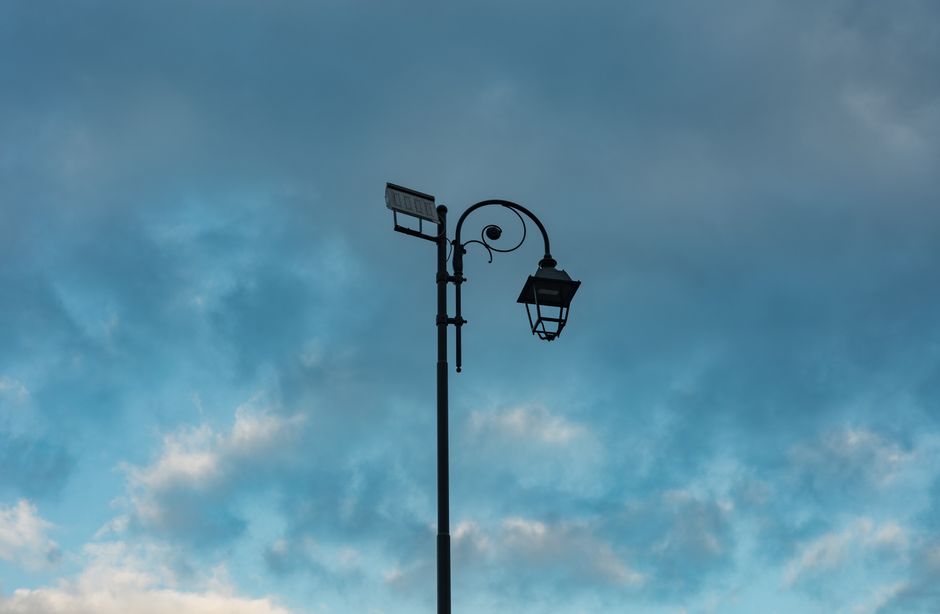
Solar street lights
Properly built and installed:
| Wattage | UGX (with pole + install) |
|---|---|
| 60W | 670,000 |
| 100W (all-in-one) | 720,000 |
| 150W (heavy-duty) | 830,000 |
| 6m steel pole only | 450,000 |
For a school compound, a small estate, or a market — these solve perimeter lighting and security in one purchase. Read the deep-dive on solar street lights → (publishing soon)
Solar CCTV cameras
4G-connected, no grid needed, runs through outages:
| Tier | UGX |
|---|---|
| Entry (basic + WiFi) | 300K – 420K |
| Mid (4G SIM, no grid needed) | ~420K |
| Top-tier (6MP + 4G + install) | 500K – 580K |
| Multi-camera package | from 1.25M |
Read the deep-dive on solar CCTV cameras → (publishing soon)
Solar water heaters
Endless hot water without the bill:
| Capacity | Type | UGX |
|---|---|---|
| 100L | Standard | 1.5M – 2M |
| 200L | Standard (uninstalled) | 2.6M |
| 200L | Evacuated tube (installed) | 3.1M |
| 200L | Top-tier flat-plate (installed) | 6.9M – 7.5M |
For a hotel, a hostel, or a family of six — payback usually under 18 months versus electric heating. Read the deep-dive on solar water heaters → (publishing soon)
10. Financing options for Ugandan buyers
You have five practical paths to pay for a solar system in Uganda in 2026.
Cash. Cleanest, cheapest. The price you're quoted is the price you pay. Roughly half our buyers go this route — usually homes and small SMEs.
Phased payment with the installer. A common arrangement: 50% on quote acceptance, 30% on installation start, 20% on commissioning sign-off. We support this for repeat clients and referred customers. Ask any installer about it before assuming cash is the only option.
Bank loan (asset finance). Stanbic, Equity, dfcu and Centenary all offer asset-financed solar at rates roughly comparable to vehicle loans (typically 18–22% annual). The system itself usually serves as collateral. Loan tenor 24–60 months.
UECCC subsidies. The Uganda Energy Credit Capitalisation Company runs subsidy programmes covering 50–60% of qualifying solar projects, usually for productive-use applications (clinics, schools, farms, SMEs). Approval takes 4–8 weeks. Worth applying for any project above UGX 15M.
NGO / donor grants (for clinics and schools). Mission clinics, faith-based health units, public schools, and community facilities can often qualify for partial donor funding through the Ministry of Health, Ministry of Energy, or international NGO partners. Ask your installer if they've helped clients secure this — it's a real ranking factor for choosing a vendor.
A word about installer financing offers that look too good. If a quote includes "0% installer financing," scrutinise the system price. The financing is usually paid for by inflating the system price by 20–30%. Compare the total cash equivalent before signing.
11. A real Uganda story
A hardware shop owner in Mukono came to us in early 2025 with the same set of frustrations everyone has when they reach this page.
He'd been quoted three times in two years. The first quote was UGX 5.5M for a "5 kVA system" — a number that, looking at his load, was always going to fail. The second was UGX 14M but with no breakdown, just a total at the bottom. The third was friendly but vague, and he didn't trust the vendor enough to pay the deposit. So he kept running the diesel generator. By 2025, he was burning about 25 litres of diesel a week — roughly UGX 470,000 a month at then-current prices.
We sized him at 5 kVA (real, not optimistic) — a Growatt hybrid inverter, eight 450W monocrystalline panels, and a 5 kWh LiFePO4 battery bank. We earthed the rack, bonded the frame, ran 6mm² DC cable, fitted Type II surge protection on both sides, and commissioned the system properly with him watching. Total: UGX 11.5M.
Eight months later, his diesel generator has been started exactly twice — once by accident, once for testing. His shop runs through the 7pm grid drops without anyone noticing. His till works. His customers stay through evenings. (He admitted he almost went back to diesel during one rainy week in March when the panels needed cleaning. We reminded him diesel doesn't complain either. It just charges more.)
The number on his quote was UGX 11.5M. The number that actually matters: he's projected to break even in month 13.

12. The seven questions every quote must answer
You don't need to become a solar engineer. You just need to ask seven questions. If a quote can't answer them in writing, walk.
- What's my exact load — by appliance, by hour? A real installer will ask for your appliance list or your last UMEME bill. If they quote without asking, they're guessing.
- What size battery, and at what depth of discharge? Lithium should be sized for 80–90% DoD. Lead-acid for 50% maximum. If they don't say, they didn't size it.
- Mounting structure — galvanised steel? Aluminium rail? Roof type accounted for? Iron sheet vs tile vs flat slab all need different approaches.
- Earthing rod and surge protection — included? If not in the quote, you are paying for it later.
- Cable sizing — DC and AC, by metre run, by gauge? Should be specified, not vague.
- Commissioning — is there a written commissioning report, with measurements? ERA-aligned commissioning is non-negotiable for systems above 5 kVA.
- Warranty — pro-rata or full? Who handles claims? What's the response SLA? Most warranties in Uganda are pro-rata. Read the fine print before assuming you're covered.
These seven questions take five minutes to ask. They save five years of regret.
Read the full installer-vetting framework: How to choose a solar installer in Uganda — 12 questions to ask → (publishing soon)
13. FAQ — frequently asked solar cost questions, Uganda 2026
How much does a 5kW solar system cost in Uganda?
A properly built 5 kVA hybrid solar system in Uganda costs UGX 11M to UGX 18M in May 2026, including panels, hybrid inverter, lithium battery, mounting, surge protection, earthing, cabling, and commissioning. Quotes below UGX 9M for a 5 kVA system are almost always missing one or more of those components.
What is the cheapest solar system that actually works in Uganda?
A 1.5–3 kVA basic home kit at UGX 4.5M to UGX 7M is the cheapest genuinely working tier. It runs lights, phones, a laptop, a TV, and a small fan. It will not run a fridge, an iron, or a water pump. Anyone selling you a "5 kVA system for UGX 4.5M" is selling you parts in a box, not a system.
How long until my solar system pays for itself in Uganda?
Most Ugandan homes and SMEs hit payback in 14 to 36 months with lithium-based hybrid systems. The faster end applies if you currently run a diesel generator regularly. The slower end applies if your only saving is your UMEME bill. Either way, panel and battery lifespans of 10–20 years mean every shilling after payback is free power.
Is solar cheaper than UMEME / UEDCL in Uganda?
Over a 5–10 year horizon — yes, comfortably. The new UEDCL average domestic tariff sits at UGX 756.2 per kWh (Q1 2026, set by ERA), and is unlikely to fall. A solar system, once paid off, generates power at near-zero ongoing cost. The crossover happens between months 14 and 36 depending on your load and how much diesel you currently burn.
Are there government subsidies for solar in Uganda?
Yes. The Uganda Energy Credit Capitalisation Company (UECCC) runs subsidy programmes covering 50–60% of qualifying productive-use installations (clinics, schools, irrigation, SMEs). World Bank smallholder irrigation programmes subsidise solar pumps up to 60%. Tax exemptions on solar equipment are also currently in force. Application typically takes 4–8 weeks — apply alongside your installer.
Do I need an ERA license to install solar in Uganda?
For your own use: systems below 0.5 MW require registration only, not a full ERA license. Systems above 0.5 MW require licensing. As of October 2025 ERA suspended new grid-connected solar/wind project licensing due to grid absorption capacity being fully committed — but off-grid and behind-the-meter hybrid systems are not affected. Your home or business hybrid system is fine.
What's the lifespan of a solar system in Uganda?
Properly installed: panels last 20–25 years (with 80% efficiency at year 25), lithium batteries 10–15 years, lead-acid batteries 18–36 months in our heat (we don't recommend them for daily-cycling applications), hybrid inverters 8–12 years. Over a 25-year horizon you typically replace the inverter once and the lithium battery once.
Why do solar quotes in Uganda vary so much for the same kVA?
Because installers are pricing different things even when they list the same kVA. The gap between a UGX 6.5M and UGX 11M quote for a "5 kVA system" is typically the four hidden costs (earthing, surge protection, proper cable, commissioning) plus the difference between cheap lead-acid and proper LiFePO4 batteries. Same headline kVA, very different lifetime cost.
14. Get the Uganda Solar Buyer's Checklist
We've turned the seven questions above (plus another five most buyers don't think to ask) into a one-page printable PDF you can take into any solar quote meeting.
Download the Uganda Solar Buyer's Checklist →
(Email required. Used only to send the checklist and one short follow-up if you have questions. Never sold, never spammed.)
15. The next step
You've read enough guides. You've had enough quotes. You've already paid in diesel and stock losses for whichever decision you keep postponing.
Reply with your last UEDCL/UMEME bill — or just a quick list of the appliances you actually want to keep running through the 7pm grid drop. We'll send a clear, no-pressure breakdown within 24 hours. No quote forms. No salesperson calling. Just the real numbers for your specific situation, in plain English.
WhatsApp +256 740 128 889 or email [email protected].
No more diesel queues. No more 7pm panic. No more guesses on a roof.
Just quiet power.
Photo credits
All photographs sourced from Pexels under their free commercial licence. Photographers credited individually:
- Hero — Stefan de Vries
- Solar farm in De Aar, South Africa — Charl Durand
- Businesswoman with receipts — Karolina Grabowska
- Solar street lamp pole — Angelo Capitanio
- Desk lamp at night — Yury Rymko
Sources & data references
- ERA — 2026 base electricity end-user tariffs
- World Bank — Access to electricity (% of population), Uganda
- World Bank — Underutilized Potential: Business Costs of Unreliable Infrastructure
- GlobalPetrolPrices — Uganda diesel pump prices
- Global Solar Atlas — Uganda solar irradiance
- ERA — Notice on Grid Absorption Capacity (Oct 2025)
The NilePhase Engineering Team designs, installs, commissions and maintains hybrid solar systems across Uganda — from 1.5 kVA rural clinics to multi-kVA commercial estates. ERA-registered, lithium-only, every install documented.
Think we can help with your site?
Tell us your load and your location. We come back with a site-specific proposal — not a brochure.